
¿Quién empaca tu paracaídas?
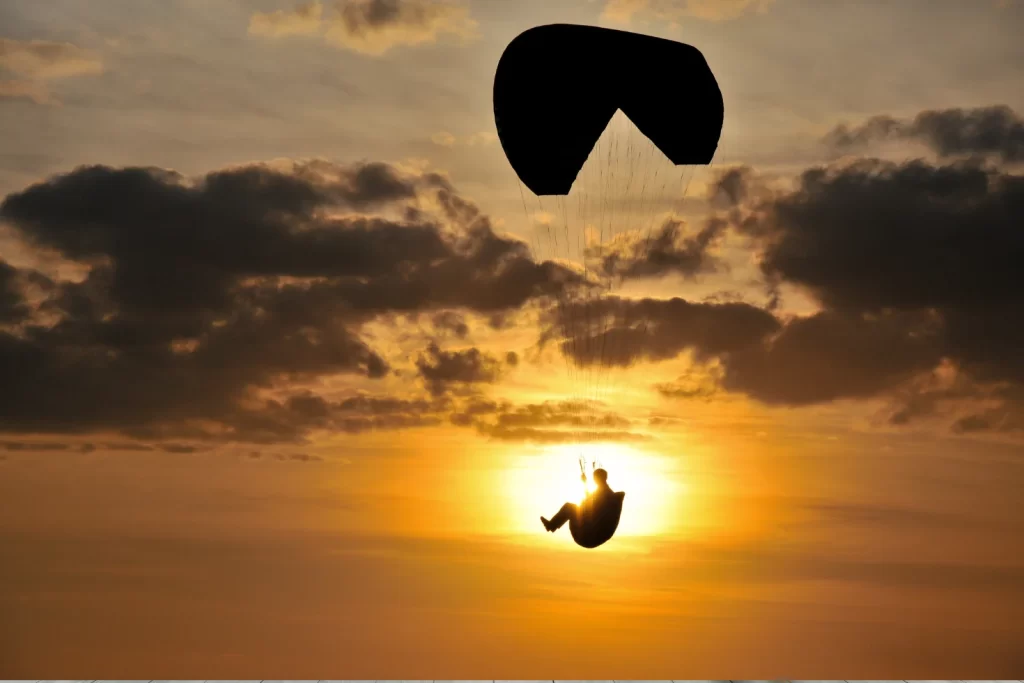
¿Quién empaca tu paracaídas? octubre 3, 2025 En estos últimos meses he procurado buscar inspiración en historias que me recuerden lo esencial, lo importante. Ha sido un año muy desafiante, y sin embargo, he descubierto que las personas que eligieron permanecer cerca de mí han sido pieza clave para sostenerme y poder avanzar. A veces no lo dicen, pero de alguna forma están: escuchando, apoyando, creyendo, orando, etc. En esos gestos recordé una historia, y hoy se aplica como la metáfora perfecta en la vida de Charles Plumb. Plumb fue piloto de combate en Vietnam. Después de 74 misiones exitosas, en la número 75 su avión fue derribado y terminó seis años como prisionero de guerra (no me quiero imaginar lo que pudo haber vivido en esos años). Sobrevivió gracias al paracaídas que lo salvó de estrellarse junto con su avión. Años más tarde, en un restaurante, un hombre lo observaba desde otra mesa. Finalmente se levantó, se acercó y le dijo: “Usted es Charles Plumb. Volaba aviones desde el Kitty Hawk y fue derribado en Vietnam.” Plumb, sorprendido, le preguntó: “¿Cómo lo sabe?” El hombre sonrió y respondió con calma: “Porque yo empaqué su paracaídas.” Plumb se quedó helado. No recordaba jamás haber visto su rostro. Era un marino más en la cubierta del portaaviones, un nombre perdido entre cientos, que hacía su trabajo invisible. Pero esa noche entendió: su vida dependió del cuidado silencioso de alguien a quien nunca agradeció. Desde entonces, Charles Plumb comparte una pregunta que atraviesa el alma: ¿Quién está empacando tu paracaídas? Esa pregunta no es sólo para aplaudir la historia de un héroe de guerra. Es para ti y para mí, aquí y ahora. Porque todos estamos volando en nuestro propio “avión”: proyectos, sueños, empresas, familias, desafios, salud, etc. Y todos, tarde o temprano, enfrentamos turbulencias que nos obligan a abrir ese paracaídas invisible. Lo poderoso de esta historia está en lo que despierta en nuestro interior: reconocer, agradecer, cuidar y actuar desde la conciencia de que nadie vuela solo. Hoy quiero compartirte 5 reflexiones que nos deja esta historia y que podemos aplicar en nuestra vida personal, profesional y espiritual. 1. Reconocer a quienes hacen posible tu vuelo El brillo de tus logros suele verse en público, pero rara vez se reconoce a los que hicieron posible tu camino: padres, maestros, amigos, pareja, hijos, mentores, socios, incluso desconocidos que aparecieron en el momento exacto en alguna situación determinada. 👉 Enseñanza: Tu éxito nunca es individual. Es la suma de muchos paracaídas invisibles. 2. La gratitud real transforma tu mirada No es el “gracias” de cortesía. Es detenerte, mirar atrás y reconocer de corazón. Plumb pasó noches en vela después de ese encuentro, pensando en cuántas veces caminó junto a ese hombre sin saludarlo. Aprovecha cualquier momento para agradecer hasta el más mínimo detalle, de esos que damos por hecho como el despertar cada mañana y estar vivos. Gracias, Gracias, Gracias. 👉 Enseñanza: La gratitud auténtica no se guarda: se expresa, se honra y se multiplica. 3. Todos necesitamos varios paracaídas Plumb habla de otros paracaídas: el físico que abrió, el emocional que lo sostuvo en prisión, el mental que lo mantuvo lúcido, el espiritual que le dio esperanza. Y todos, absolutamente todos necesitamos de estos paracaídas y quizá muchos más. 👉 Enseñanza: No descuides tus paracaídas internos. El económico es importante, pero no basta. La plenitud viene de cuidar todas tus dimensiones. 4. Tu historia puede salvar a otros Plumb podría haber guardado silencio, pero eligió contar su historia. Lo que él vivió se convirtió en legado. Así pasa contigo y conmigo, nuestras experiencias, incluso las más dolorosas, pueden ser el paracaídas de alguien que hoy necesita creer, que hoy está volando en picada. 👉 Enseñanza: Cuando compartes tu verdad, tu historia se convierte en un paracaidas que puede darle luz, esperanza e inspiración a otros. 5. Tú también empacas paracaídas Cada día tienes la oportunidad de ser ese marino anónimo que, con su trabajo, su palabra, su oración o su apoyo silencioso, salva a alguien más. Quizá nunca te lo digan, pero puedes tener certeza que tu impacto puede significar la diferencia entre caer o volver a volar. 👉 Enseñanza: Tus actos, incluso los más pequeños, pueden ser la cuerda que abra el paracaídas de alguien más. Reflexión final Este año he comprobado en carne propia que hay personas que empacaron mis paracaídas en silencio: familia, amistades (algunos que tenia tiempo sin saber de ellos, y algunas nuevas que han llegado), colaboradores que decidieron permanecer. Gracias a todos ustedes sigo en vuelo. Mi invitación: haz dos cosas hoy mismo. 1. Reconoce de corazón a alguien que empacó tu paracaídas. 2. Sé consciente de que hoy mismo puedes empacar el paracaídas para alguien más. Porque al final, todos estamos en vuelo… y nadie sabe cuándo necesitará abrir el suyo.
Who packs your parachute?
Who packs your parachute? 10/03/2025 In these last months I have tried to seek inspiration in stories that remind me of what is essential, what is important. It has been a very challenging year, and yet, I have discovered that the people who chose to remain close to me have been key to sustaining me and being able to move forward. Sometimes they don’t say it, but somehow they are there: listening, supporting, believing, praying, etc. In those gestures I remembered a story, and today it applies as the perfect metaphor in the life of Charles Plumb. Plumb was a combat pilot in Vietnam. After 74 successful missions, on mission number 75 his plane was shot down and he ended up spending six years as a prisoner of war (I can’t imagine what he could have lived through in those years). He survived thanks to the parachute that saved him from crashing with his plane. Years later, in a restaurant, a man was watching him from another table. Finally he got up, approached and said: “You are Charles Plumb. You flew planes from the Kitty Hawk and were shot down in Vietnam.” Plumb, surprised, asked him: “How do you know?” The man smiled and calmly responded: “Because I packed your parachute.” Plumb froze. He didn’t remember ever having seen his face. He was just another sailor on the deck of the aircraft carrier, a name lost among hundreds, who did his invisible work. But that night he understood: his life depended on the silent care of someone he never thanked. Since then, Charles Plumb shares a question that pierces the soul: Who is packing your parachute? That question is not just to applaud the story of a war hero. It’s for you and for me, here and now. Because we are all flying in our own “plane”: projects, dreams, businesses, families, challenges, health, etc. And all of us, sooner or later, face turbulence that forces us to open that invisible parachute. The powerful thing about this story is in what it awakens within us: recognize, thank, care for, and act from the awareness that no one flies alone. Today I want to share with you 5 reflections that this story leaves us and that we can apply in our personal, professional, and spiritual life. 1. Recognize those who make your flight possible The shine of your achievements is usually seen in public, but those who made your path possible are rarely recognized: parents, teachers, friends, partner, children, mentors, partners, even strangers who appeared at the exact moment in a certain situation. 👉 Teaching: Your success is never individual. It’s the sum of many invisible parachutes. 2. Real gratitude transforms your perspective It’s not the polite “thank you”. It’s stopping, looking back, and recognizing from the heart. Plumb spent sleepless nights after that encounter, thinking about how many times he walked next to that man without greeting him. Take advantage of any moment to be grateful for even the smallest detail, of those we take for granted like waking up each morning and being alive. Thank you, Thank you, Thank you. 👉 Teaching: Authentic gratitude is not kept: it is expressed, honored, and multiplied. 3. We all need several parachutes Plumb talks about other parachutes: the physical one he opened, the emotional one that sustained him in prison, the mental one that kept him lucid, the spiritual one that gave him hope. And all of us, absolutely all of us need these parachutes and perhaps many more. 👉 Teaching: Don’t neglect your internal parachutes. The economic one is important, but it’s not enough. Fullness comes from taking care of all your dimensions. 4. Your story can save others Plumb could have remained silent, but he chose to tell his story. What he lived through became a legacy. That’s how it happens with you and me, our experiences, even the most painful ones, can be the parachute for someone who today needs to believe, who today is in a nosedive. 👉 Teaching: When you share your truth, your story becomes a parachute that can give light, hope, and inspiration to others. 5. You also pack parachutes Every day you have the opportunity to be that anonymous sailor who, with their work, their word, their prayer, or their silent support, saves someone else. Maybe they’ll never tell you, but you can be certain that your impact can mean the difference between falling or flying again. 👉 Teaching: Your actions, even the smallest ones, can be the cord that opens someone else’s parachute. Final Reflection This year I have proven firsthand that there are people who packed my parachutes in silence: family, friends (some I hadn’t heard from in a while, and some new ones that have arrived), collaborators who decided to stay. Thanks to all of you I’m still in flight. My invitation: do two things today. 1. Recognize from the heart someone who packed your parachute. 2. Be aware that today you can pack the parachute for someone else. Because in the end, we are all in flight… and no one knows when they will need to open theirs.
Propósito en movimiento: mantenerte firme cuando todo cambia

Propósito en movimiento: mantenerte firme cuando todo cambia septiembre 26, 2025 Siempre pensé que el propósito era como una meta final, un destino al que llegas y, una vez ahí, todo cobra sentido. Hoy me doy cuenta de que no es así. El propósito no es un lugar fijo, es más bien como un río: fluye, se adapta, esquiva las rocas y sigue su curso. La roca puede parecer un obstáculo enorme, pero el río nunca se detiene: la rodea, la abraza, y sigue adelante con fuerza renovada. Así es la vida: el propósito verdadero no se quiebra con los obstáculos, se mueve con ellos. Una de las experiencias que más me lo enseñó ocurrió hace cuatro años, en mi primer Medio Ironman. Durante la etapa de ciclismo, una señora invadió la carretera y terminé en el suelo tras un fuerte impacto. Lo primero que pensé fue: “hasta aquí llegué”. La bicicleta dañada, las rodillas sangrando, el dolor en cada parte del cuerpo… era la excusa perfecta para abandonar. Pero entonces imaginé la cara de mis hijos, y lo que significaría decirles que me había rendido por una caída. Así que reparé como pude la bicicleta, limpié las heridas en el camino y seguí. Terminé los 90 km de ciclismo y, con esfuerzo y dolor, corrí los 21 km de la última etapa. Crucé la meta y concreté mi primer Medio Ironman. Ese día entendí que el propósito no es llegar intacto, sino decidir seguir avanzando. El propósito no es estático, porque tú tampoco lo eres. Está vivo, se transforma, se mueve contigo. Y, como en la película En busca de la felicidad, a veces se mide en pequeños actos de resistencia, en no rendirte aunque lo hayas perdido todo, en dar un paso más cada día. Hoy quiero compartir contigo 5 claves que me están ayudando a mantener el propósito en movimiento, incluso cuando todo alrededor cambia: 1. El propósito es brújula, no mapa En Programación Neurolingüística hay una frase poderosa: “El mapa no es el territorio.”Y aplica perfecto aquí. Un mapa puede darte rutas, pero nunca refleja la realidad completa: las piedras, las subidas, las tormentas. El propósito, en cambio, funciona como una brújula: no te dice exactamente cómo caminar, pero sí te asegura hacia dónde. Stephen Covey lo llamaba “empezar con un fin en mente”. Para mí, ese fin no es un plan rígido, sino una dirección clara. Hoy entiendo que los mapas cambian, pero la brújula permanece. 2. El propósito real es la felicidad He perseguido logros, cifras, reconocimientos… pero con el tiempo comprendí lo que Simón Cohen escribe en Pleno: el verdadero propósito es ser feliz, siempre que tu felicidad no destruya la de otros. En En busca de la felicidad Will Smith interpreta a un padre que lo pierde todo, pero no su visión de darle a su hijo un futuro mejor. Esa búsqueda lo sostiene. Yo también he sentido lo que es perder mucho, y aun así descubrir que lo único que mantiene viva la fuerza es esa brújula interna de felicidad. Hoy mi pregunta no es solo ¿qué quiero lograr?”, sino “¿qué me hace feliz en este proceso?”. 3. De la ambición al servicio Robin Sharma, en El monje que vendió su Ferrari, explica que lo material puede darte velocidad, pero no dirección. Lo estoy aprendiendo en carne propia: lo que realmente da sentido no es lo que acumulo, sino lo que aporto. Servir —acompañar, inspirar, transformar— convierte la ambición en plenitud. La diferencia entre una vida vacía y una vida con propósito es simple: en la primera, lo que haces termina en ti; en la segunda, trasciende en otros. 4. Propósito en lo cotidiano No hay que esperar a un gran proyecto para vivir con propósito. Eckhart Tolle enseña en El poder del ahoraque la transformación ocurre en el presente. Estoy descubriendo que el propósito no se esconde en grandes logros, sino en lo cotidiano: escuchar con atención, apoyar a alguien en silencio, trabajar con amor en lo que tengo hoy. El propósito en movimiento no son pasos gigantes, son pasos constantes. Y muchas veces, esos pasos pequeños terminan siendo los más importantes. 5. Un legado en movimiento Viktor Frankl escribió en El hombre en busca de sentido que el ser humano puede soportar cualquier “cómo” si tiene un “porqué”. Ese “porqué” es el propósito. Y lo extraordinario es que no termina en ti: cuando se comparte, se convierte en legado. Hoy comprendo que mi propósito no es solo alcanzar metas personales, sino dejar huellas en las vidas que toco: inspirar a alguien a soñar más alto, animar a alguien a dar un paso más, acompañar a alguien a no rendirse. Un propósito compartido se multiplica y se convierte en trascendencia. Reflexión final Lo que hoy descubro es que el propósito no se alcanza como un trofeo. Se vive, se siente, se respira en cada paso. No es una meta al final del camino: es el aire que me permite caminar. Y mientras siga caminando, sé que mi propósito está en movimiento… puesto que lo que nos hace feliz puede cambiar en cada etapa de la vida, y eso basta. El propósito no se encuentra: se vive, se comparte y se multiplica. Porque cuando caminas con la brújula de la felicidad en movimiento, tu vida se llena de sentido, sin importar cuántas tormentas lleguen.
Purpose in motion: staying firm when everything changes
Purpose in motion: staying firm when everything changes 09/26/2025 I always thought that purpose was like a final goal, a destination you reach and, once there, everything makes sense. Today I realize that it’s not like that. Purpose is not a fixed place, it’s more like a river: it flows, adapts, dodges the rocks, and continues its course. The rock may seem like an enormous obstacle, but the river never stops: it goes around it, embraces it, and moves forward with renewed strength. That’s how life is: true purpose doesn’t break with obstacles, it moves with them. One of the experiences that taught me the most occurred four years ago, in my first Half Ironman. During the cycling stage, a lady invaded the road and I ended up on the ground after a strong impact. The first thing I thought was: “this is as far as I go”. The bicycle damaged, my knees bleeding, the pain in every part of my body… it was the perfect excuse to quit. But then I imagined my children’s faces, and what it would mean to tell them I had given up because of a fall. So I repaired the bicycle as best I could, cleaned the wounds on the way, and continued. I finished the 90 km of cycling and, with effort and pain, ran the 21 km of the last stage. I crossed the finish line and completed my first Half Ironman. That day I understood that purpose is not arriving intact, but deciding to keep moving forward. Purpose is not static, because you’re not either. It’s alive, it transforms, it moves with you. And, as in the movie The Pursuit of Happyness, sometimes it’s measured in small acts of resistance, in not giving up even though you’ve lost everything, in taking one more step each day. Today I want to share with you 5 keys that are helping me keep purpose in motion, even when everything around changes: 1. Purpose is a compass, not a map In Neuro-Linguistic Programming there is a powerful phrase: “The map is not the territory.” And it applies perfectly here. A map can give you routes, but it never reflects the complete reality: the stones, the climbs, the storms. Purpose, on the other hand, works like a compass: it doesn’t tell you exactly how to walk, but it does assure you where to. Stephen Covey called it “begin with the end in mind.” For me, that end is not a rigid plan, but a clear direction. Today I understand that maps change, but the compass remains. 2. The real purpose is happiness I’ve chased achievements, numbers, recognitions… but with time I understood what Simón Cohen writes in Pleno: the true purpose is to be happy, as long as your happiness doesn’t destroy that of others.In The Pursuit of Happyness Will Smith plays a father who loses everything, but not his vision of giving his son a better future. That search sustains him. I’ve also felt what it’s like to lose a lot, and still discover that the only thing that keeps the strength alive is that internal compass of happiness. Today my question is not only “what do I want to achieve?”, but “what makes me happy in this process?” In The Pursuit of Happyness Will Smith plays a father who loses everything, but not his vision of giving his son a better future. That search sustains him. I’ve also felt what it’s like to lose a lot, and still discover that the only thing that keeps the strength alive is that internal compass of happiness. Today my question is not only “what do I want to achieve?”, but “what makes me happy in this process?” 3. From ambition to service Robin Sharma, in The Monk Who Sold His Ferrari, explains that the material can give you speed, but not direction. I’m learning it firsthand: what really gives meaning is not what I accumulate, but what I contribute. Serving—accompanying, inspiring, transforming—converts ambition into fullness. The difference between an empty life and a life with purpose is simple: in the first, what you do ends with you; in the second, it transcends in others. 4. Purpose in the everyday You don’t have to wait for a big project to live with purpose. Eckhart Tolle teaches in The Power of Now that transformation occurs in the present. I’m discovering that purpose doesn’t hide in great achievements, but in the everyday: listening attentively, supporting someone in silence, working with love in what I have today. Purpose in motion is not giant steps, it’s constant steps. And many times, those small steps end up being the most important. 5. A legacy in motion Viktor Frankl wrote in Man’s Search for Meaning that human beings can endure any “how” if they have a “why”. That “why” is the purpose. And what’s extraordinary is that it doesn’t end with you: when it’s shared, it becomes legacy. Today I understand that my purpose is not only to achieve personal goals, but to leave marks on the lives I touch: inspire someone to dream higher, encourage someone to take one more step, accompany someone to not give up. A shared purpose multiplies and becomes transcendence. Final Reflection What I discover today is that purpose is not achieved like a trophy. It’s lived, felt, breathed in every step. It’s not a goal at the end of the road: it’s the air that allows me to walk. And as long as I keep walking, I know that my purpose is in motion… since what makes us happy can change in each stage of life, and that’s enough. Purpose is not found: it’s lived, shared, and multiplied. Because when you walk with the compass of happiness in motion, your life fills with meaning, no matter how many storms come.
El poder de la visión: diseñar futuros que aún no existen
El poder de la visión: diseñar futuros que aún no existen septiembre 19, 2025 Cuando estaba en la preparatoria, mi madre me regaló una tarjeta que aún conservo. Decía: “Pasa por alto los obstáculos con los que tropieces y mantén los ojos fijos en tu ideal.” En aquel momento no imaginaba lo mucho que esa frase me acompañaría. Era apenas un recordatorio sencillo, escrito en una tarjeta, pero con el tiempo entendí que escondía una verdad que seguiría siendo brújula en diferentes etapas de mi vida. Porque la visión no es algo que se entiende de golpe; es algo que vas aprendiendo a vivir mientras atraviesas obstáculos, dudas y cambios de rumbo. Hoy sigo convencido de que la visión es ese hilo invisible que nos mantiene avanzando aun cuando todo parece moverse en nuestra contra. La visión es lo que nos levanta después de una caída, lo que nos permite ver más allá de lo inmediato, y lo que nos ayuda a recordar que lo que soñamos merece el esfuerzo de caminar hacia ello. He comprobado que cuando pierdes la visión, pierdes dirección. Y cuando pierdes dirección, cualquier viento te arrastra. Pero cuando tienes clara tu visión, incluso en los días más nublados, encuentras fuerzas que no sabías que tenías. Quiero compartir contigo lo que hoy estoy aprendiendo y practicando como mis 5 claves del poder de la visión: 1. Ver más allá de la tormenta Los obstáculos son inevitables, pero no son definitivos. Muchas veces me encuentro con la tentación de enfocarme solo en lo que está frente a mí: problemas, críticas, barreras. Pero entonces recuerdo aquella frase de mi madre, y me obliga a levantar la mirada. Stephen Covey, en Los 7 hábitos de la gente altamente efectiva, dice:Empieza con un fin en mente.” La visión es ese fin, ese faro que me permite atravesar la tormenta sin perder el rumbo. Estoy aprendiendo que cuando enfoco mis ojos en lo que quiero construir, los problemas se transforman de muros en escalones hacia mi destino. 2. Transformar la visión en acción Una visión que no se traduce en pasos concretos se convierte en un sueño lejano. Tony Robbins lo expresa con claridad: “La claridad es poder.” Y esa claridad se construye actuando. Me doy cuenta de que soñar no es suficiente: cada día debo dar un paso, aunque sea pequeño, en dirección a esa visión. A veces no es el paso perfecto, pero es movimiento. Y como Robbins repite en UPW: “Motion creates emotion.” El simple hecho de moverme hacia lo que visualizo me da energía, fuerza y confianza. 3. Inspirar con imágenes del futuro Una visión no se guarda en un cajón, se comparte. He descubierto que cuando transmito lo que imagino de manera clara, otros se sienten inspirados a caminar conmigo hacia ese futuro. Simon Sinek, en Empieza con el porqué, lo explica: las personas no siguen lo que haces, siguen por qué lo haces. Cada vez me esfuerzo más en describir no solo mis metas, sino cómo se ve ese futuro, qué emociones despierta y por qué vale la pena. Cuando la visión se vuelve tangible para los demás, se convierte en energía colectiva. 4. Reajustar la visión sin perder la dirección Estoy aprendiendo que la visión es brújula, no mapa. No siempre tengo todas las rutas claras, y muchas veces me toca cambiar el plan. Pero lo que no cambia es el norte. He vivido lo difícil que es soltar un plan que parecía perfecto, pero he comprobado que la flexibilidad no significa debilidad. Significa que la visión está viva y puede adaptarse. La visión auténtica no se rompe con los cambios: se fortalece. 5. Vivir la visión como legado Hoy entiendo que la visión más poderosa no es la que termina cuando logro una meta personal, sino la que trasciende y deja huella en otros. Viktor Frankl en El hombre en busca de sentido dice que el ser humano puede soportar cualquier “cómo” si tiene un “porqué”. Estoy descubriendo que cuando vivo mi visión con coherencia, inspiro a otros a encontrar la suya. Ese es el verdadero poder: no solo alcanzar lo que soñé, sino motivar a que otros sueñen más alto y crean que también es posible. Reflexión final El poder de la visión no está en prometer un futuro perfecto, sino en atrevernos a diseñar futuros posibles. Se trata de aprender a mirar más allá de lo inmediato, incluso cuando el presente no parece alentador. Aquella tarjeta de mi madre sigue en mi álbum, recordándome que los tropiezos no definen el destino, solo el carácter con el que camino. Hoy más que nunca creo que la visión no es un accesorio para soñadores: es la fuerza que convierte lo invisible en inevitable. Mantén tus ojos fijos en tu ideal. Porque cuando lo haces, no solo cambias tu camino: enciendes el de todos los que se atreven a caminar contigo.
The power of vision: designing futures that don’t yet exist
The power of vision: designing futures that don’t yet exist 09/19/2025 When I was in high school, my mother gave me a card that I still keep. It said: “Overlook the obstacles you stumble upon and keep your eyes fixed on your ideal.” At that moment I didn’t imagine how much that phrase would accompany me. It was just a simple reminder, written on a card, but over time I understood that it hid a truth that would continue to be a compass in different stages of my life. Because vision is not something you understand all at once; it’s something you learn to live while you go through obstacles, doubts, and changes of course. Today I remain convinced that vision is that invisible thread that keeps us moving forward even when everything seems to be moving against us. Vision is what lifts us up after a fall, what allows us to see beyond the immediate, and what helps us remember that what we dream of deserves the effort of walking towards it. I’ve proven that when you lose vision, you lose direction. And when you lose direction, any wind drags you. But when you have your vision clear, even on the cloudiest days, you find strengths you didn’t know you had. I want to share with you what I’m learning and practicing today as my 5 keys to the power of vision: 1. See beyond the storm Obstacles are inevitable, but they are not definitive. Many times I encounter the temptation to focus only on what is in front of me: problems, criticisms, barriers. But then I remember that phrase from my mother, and it forces me to look up. Stephen Covey, in The 7 Habits of Highly Effective People, says: “Begin with the end in mind.” Vision is that end, that lighthouse that allows me to go through the storm without losing my course. I’m learning that when I focus my eyes on what I want to build, problems transform from walls into steps toward my destiny. 2. Transform vision into action A vision that is not translated into concrete steps becomes a distant dream. Tony Robbins expresses it clearly: “Clarity is power.” And that clarity is built by acting. I realize that dreaming is not enough: every day I must take a step, even if it’s small, in the direction of that vision. Sometimes it’s not the perfect step, but it’s movement. And as Robbins repeats in UPW: “Motion creates emotion.” The simple act of moving toward what I visualize gives me energy, strength, and confidence. 3. Inspire with images of the future A vision is not kept in a drawer, it’s shared. I’ve discovered that when I transmit what I imagine clearly, others feel inspired to walk with me toward that future. Simon Sinek, in Start with Why, explains it: people don’t follow what you do, they follow why you do it. Each time I make more effort to describe not only my goals, but how that future looks, what emotions it awakens, and why it’s worthwhile. When vision becomes tangible for others, it becomes collective energy. 4. Readjust the vision without losing direction I’m learning that vision is a compass, not a map. I don’t always have all the routes clear, and many times I have to change the plan. But what doesn’t change is the north. I’ve experienced how difficult it is to let go of a plan that seemed perfect, but I’ve proven that flexibility doesn’t mean weakness. It means that vision is alive and can adapt. Authentic vision doesn’t break with changes: it strengthens. 5. Live the vision as legacy Today I understand that the most powerful vision is not the one that ends when I achieve a personal goal, but the one that transcends and leaves a mark on others. Viktor Frankl in Man’s Search for Meaning says that human beings can endure any “how” if they have a “why.” I’m discovering that when I live my vision with coherence, I inspire others to find theirs. That is the true power: not only reaching what I dreamed of, but motivating others to dream higher and believe that it’s also possible. Final Reflection The power of vision is not in promising a perfect future, but in daring to design possible futures. It’s about learning to look beyond the immediate, even when the present doesn’t seem encouraging. That card from my mother remains in my album, reminding me that stumbles don’t define destiny, only the character with which I walk. Today more than ever I believe that vision is not an accessory for dreamers: it’s the force that turns the invisible into inevitable. Keep your eyes fixed on your ideal. Because when you do, you don’t just change your path: you light up the path of all those who dare to walk with you.
Vivir PLENO en un mundo en caos
Vivir PLENO en un mundo en caos septiembre 12, 2025 Vivimos en un mundo que aplaude la velocidad, la acumulación y los logros visibles. Las redes sociales nos programan para correr más rápido, mostrar más y compararnos todo el tiempo. Y sí, puedes llegar a tener los contratos más grandes, viajar en primera clase, rodearte de aplausos… pero si al final del día no puedes dormir en paz, ¿realmente ganaste algo? Simón Cohen lo vivió en carne propia. Fundó una de las empresas más reconocidas de logística a nivel internacional. Tenía dinero, prestigio, poder. Pero por dentro, estaba roto: estrés, ansiedad, un cuerpo enfermo, y un vacío que ni todo el éxito del mundo llenaba. En su libro PLENO nos desnuda esa realidad y nos recuerda que la plenitud no es opcional, es vital. Cuando lo leí, conecté con mi propia historia. Yo también he estado ahí: proyectos millonarios, responsabilidades enormes, decisiones que marcan vidas. Y también he sentido el peso del caos, de la presión, de la expectativa. He sido empresario, padre, amigo, hermano, hijo, coach… y en cada rol he aprendido lo mismo: sin plenitud, nada vale la pena. Hoy quiero compartirte 5 enseñanzas de PLENO que me hicieron detenerme, cuestionar y redefinir qué significa realmente ganar en la vida. 1. El éxito sin paz es derrota Simón alcanzó lo que muchos sueñan y terminó hospitalizado por el estrés. Yo he vivido en carne propia cómo el peso del éxito mal entendido puede robarte la salud y la alegría. 👉 Enseñanza: El éxito que te quita la paz es, en realidad, una derrota cara. 2. La gratitud cambia la jugada Simón lo llama su ancla. En medio de todo el caos, agradecer lo que ya tenía lo rescató. Yo lo confirmo: la gratitud me ha sostenido cuando todo parecía derrumbarse. 👉 Enseñanza: La gratitud no es moda espiritual, es músculo estratégico. 3. Liderar desde la calma es el nuevo poder El viejo modelo de jefe gritón y controlador está muerto. Simón lo aprendió y yo también: cuando lideras pleno, tu equipo responde con lealtad real. 👉 Enseñanza: La calma no es pasividad, es fuerza concentrada. 4. El cuerpo habla lo que el alma calla El cuerpo de Simón le pasó factura hasta obligarlo a detenerse. Yo aprendí lo mismo: si no escuchas las señales de tu cuerpo, la vida te obliga a parar a la mala. 👉 Enseñanza: Tu cuerpo es el termómetro de tu plenitud. Escúchalo antes de que grite. 5. La plenitud no es destino, es camino No hay un punto final donde digas: “Ya, soy pleno.” Es un ejercicio diario, una decisión constante. Simón lo descubrió y lo comparte con valentía. Yo lo vivo cada día. 👉 Enseñanza: Cada decisión te acerca o te aleja de tu plenitud. La plenitud como legado PLENO me recordó algo fundamental: no se trata de lo que logras, sino de cómo vives lo que logras. Porque de nada sirve construir un imperio si lo haces desde el vacío. Hoy te invito a preguntarte con honestidad brutal: “Esto que estoy construyendo, ¿me da plenitud o me roba plenitud?” Ese, y no otro, es el examen más importante de nuestra vida.
Living FULLY in a chaotic world
Living FULLY in a chaotic world 09/12/2025 We live in a world that applauds speed, accumulation, and visible achievements. Social media programs us to run faster, show more, and compare ourselves all the time. And yes, you can end up having the biggest contracts, traveling first class, surrounding yourself with applause… but if at the end of the day you can’t sleep in peace, did you really win anything? Simón Cohen lived it firsthand. He founded one of the most recognized logistics companies internationally. He had money, prestige, power. But inside, he was broken: stress, anxiety, a sick body, and an emptiness that not all the success in the world could fill. In his book PLENO he lays bare that reality and reminds us that fullness is not optional, it’s vital. When I read it, I connected with my own story. I’ve also been there: million-dollar projects, enormous responsibilities, decisions that mark lives. And I’ve also felt the weight of chaos, of pressure, of expectation. I’ve been an entrepreneur, father, friend, brother, son, coach… and in each role I’ve learned the same thing: without fullness, nothing is worthwhile. Today I want to share with you 5 teachings from PLENO that made me stop, question, and redefine what it really means to win in life. 1. Success without peace is defeat Simón achieved what many dream of and ended up hospitalized from stress. I’ve experienced firsthand how the weight of misunderstood success can rob you of your health and joy. 👉 Teaching: Success that takes away your peace is, in reality, an expensive defeat. 2. Gratitude changes the game Simón calls it his anchor. In the midst of all the chaos, being grateful for what he already had rescued him. I confirm it: gratitude has sustained me when everything seemed to be collapsing. 👉Teaching: Gratitude is not a spiritual trend, it’s a strategic muscle. 3. Leading from calm is the new power The old model of the yelling, controlling boss is dead. Simón learned it and so did I: when you lead fully, your team responds with real loyalty. 👉 Teaching: Calm is not passivity, it’s concentrated strength. 4. The body speaks what the soul silences Simón’s body made him pay until it forced him to stop. I learned the same thing: if you don’t listen to your body’s signals, life forces you to stop the hard way. 👉 Teaching: Your body is the thermometer of your fullness. Listen to it before it screams. 5. Fullness is not a destination, it’s a journey There is no end point where you say: “That’s it, I’m full.” It’s a daily exercise, a constant decision. Simón discovered it and shares it with courage. I live it every day. 👉 Teaching: Each decision brings you closer to or takes you further from your fullness. Fullness as legacy FULLY reminded me of something fundamental: it’s not about what you achieve, but about how you live what you achieve. Because there’s no point in building an empire if you do it from emptiness. Today I invite you to ask yourself with brutal honesty: “What I’m building, does it give me fullness or does it rob me of fullness?” That, and no other, is the most important exam of our life.
Decisiones con cicatrices: elegir cuando todas las opciones duelen
Decisiones con cicatrices: elegir cuando todas las opciones duelen septiembre 5, 2025 Hay decisiones que parecen fáciles: elegir un negocio rentable, tomar una oportunidad clara, avanzar cuando todo está alineado. Pero luego están las otras: las decisiones con cicatrices, esas que implican perder algo sin importar el camino que tomes, esas que dejan marcas en la piel, en el corazón o en la reputación. En mi vida tuve que enfrentar una de las más grandes: dejar atrás una etapa entera y elegir un nuevo camino. No fue cómodo, no fue glamuroso, y mucho menos indoloro. Fue tomar la decisión de soltar, sabiendo que al otro lado no había certezas, solo la convicción de que merecía empezar de nuevo. Esa elección me partió en dos: entre lo que dejaba y lo que estaba dispuesto a construir. Y sí, me dejó cicatrices… pero también me dio libertad. Como aprendí en Unleash the Power Within con Tony Robbins: “Son tus decisiones, no tus condiciones, las que determinan tu destino”. Y cuando tomas decisiones difíciles con integridad, quizá ganes cicatrices, pero también forjas carácter. Aquí te comparto mis 5 claves de las decisiones con cicatrices: 1. La claridad vale más que la comodidad Muchas veces postergué decisiones esperando que se resolvieran solas. Error. La indecisión es la fábrica del desgaste. Aprendí que cuando defines lo que es más importante para ti —tus valores, tus principios, tu visión—, la decisión se aclara aunque no se vuelva cómoda. Como dice Stephen Covey en Los 7 hábitos de la gente altamente efectiva: “Lo más importante nunca debe estar a merced de lo menos importante”. 2. El costo siempre existe: abrázalo Cuando elegí iniciar una nueva vida, lo más difícil no fue lo que venía adelante, sino lo que tenía que dejar atrás. Relaciones, proyectos, rutinas que formaban parte de mi identidad. Antes me desgastaba buscando la salida perfecta, esa en la que no hubiera pérdidas. Spoiler: no existe. Hoy acepto que toda decisión tiene un costo y que abrazar ese costo con conciencia es más valioso que negarlo. Esa aceptación es lo que me da paz después de decidir. 3. El dolor puede ser maestro Dejar atrás una etapa duele, y mucho. Pero entendí que ese dolor también es un maestro: me enseñó lo que realmente valoro y lo que estoy dispuesto a proteger en el futuro. Viktor Frankl en El hombre en busca de sentido enseña que el sufrimiento adquiere propósito cuando lo interpretamos como parte del crecimiento. Hoy sé que mis cicatrices son recordatorios de que fui capaz de soltar lo que ya no funcionaba para abrir espacio a lo nuevo. 4. El coraje se construye en el acto de decidir No esperes sentir coraje para decidir; decídete, y el coraje aparecerá después. Cuando me atreví a empezar de nuevo, el miedo estaba conmigo en cada paso. Pero descubrí que al actuar, ese miedo se transformaba en energía. En UPW, Tony Robbins lo repite: “Motion creates emotion”. La valentía no es ausencia de miedo, es acción a pesar del miedo. 5. Las cicatrices se convierten en legado Hoy veo las cicatrices de mis decisiones no como heridas abiertas, sino como huellas de transformación. Son prueba de que me atreví a elegir, que pagué el precio y que seguí caminando. Esas marcas me recuerdan que soy capaz de empezar de nuevo, y cuando comparto esa historia, inspiro a otros a atreverse también. Porque al final, las cicatrices no hablan de lo que perdiste, sino de lo que te convertiste después de decidir. Relfexión Final Decidir nunca será un acto perfecto. Siempre habrá costos, siempre habrá dudas, siempre habrá voces alrededor opinando. Pero el verdadero liderazgo se forja en esas encrucijadas donde no hay un camino limpio. Las decisiones con cicatrices son las que nos recuerdan que somos humanos, que somos responsables y que, pese al dolor, seguimos adelante. Y esas marcas, lejos de debilitarnos, nos convierten en referentes. Porque la grandeza no se mide por las decisiones fáciles que tomaste, sino por las difíciles que enfrentaste con integridad… y por la vida nueva que fuiste capaz de construir después.
Decisions with scars: choosing when all options hurt
Decisions with scars: choosing when all options hurt 09/05/2025 There are decisions that seem easy: choosing a profitable business, taking a clear opportunity, moving forward when everything is aligned. But then there are the others: decisions with scars, those that involve losing something no matter which path you take, those that leave marks on the skin, in the heart, or on your reputation. In my life I had to face one of the biggest ones: leaving behind an entire stage and choosing a new path. It wasn’t comfortable, it wasn’t glamorous, and much less painless. It was making the decision to let go, knowing that on the other side there were no certainties, only the conviction that I deserved to start over. That choice split me in two: between what I was leaving and what I was willing to build. And yes, it left me scars… but it also gave me freedom. As I learned in Unleash the Power Within with Tony Robbins: “It’s your decisions, not your conditions, that determine your destiny”. And when you make difficult decisions with integrity, you may gain scars, but you also forge character. Here I share with you my 5 keys to decisions with scars: 1. Clarity is worth more than comfort Many times I postponed decisions hoping they would resolve themselves. Mistake. Indecision is the factory of exhaustion. I learned that when you define what is most important to you—your values, your principles, your vision—the decision becomes clear even if it doesn’t become comfortable. As Stephen Covey says in The 7 Habits of Highly Effective People: “The main thing is to keep the main thing the main thing.” 2. The cost always exists: embrace it. When I chose to start a new life, the hardest thing wasn’t what was ahead, but what I had to leave behind. Relationships, projects, routines that were part of my identity. Before, I wore myself out looking for the perfect way out, one where there would be no losses. Spoiler: it doesn’t exist. Today I accept that every decision has a cost and that embracing that cost with awareness is more valuable than denying it. That acceptance is what gives me peace after deciding. 3. Pain can be a teacher Leaving behind a stage hurts, and a lot. But I understood that pain is also a teacher: it taught me what I truly value and what I’m willing to protect in the future. Viktor Frankl in Man’s Search for Meaning teaches that suffering acquires purpose when we interpret it as part of growth. Today I know that my scars are reminders that I was capable of letting go of what no longer worked to make room for the new. 4. Courage is built in the act of deciding Don’t wait to feel courage to decide; decide, and courage will appear afterwards. When I dared to start over, fear was with me at every step. But I discovered that by acting, that fear transformed into energy. In UPW, Tony Robbins repeats it: “Motion creates emotion”. Courage is not the absence of fear, it’s action despite fear. 5. Scars become legacy. Today I see the scars of my decisions not as open wounds, but as marks of transformation. They are proof that I dared to choose, that I paid the price, and that I kept walking. Those marks remind me that I’m capable of starting over, and when I share that story, I inspire others to dare as well. Because in the end, scars don’t speak of what you lost, but of what you became after deciding. Final Reflection Deciding will never be a perfect act. There will always be costs, there will always be doubts, there will always be voices around giving opinions. But true leadership is forged at those crossroads where there is no clean path. Decisions with scars are the ones that remind us we are human, that we are responsible, and that, despite the pain, we move forward. And those marks, far from weakening us, turn us into references. Because greatness is not measured by the easy decisions you made, but by the difficult ones you faced with integrity… and by the new life you were capable of building afterwards.